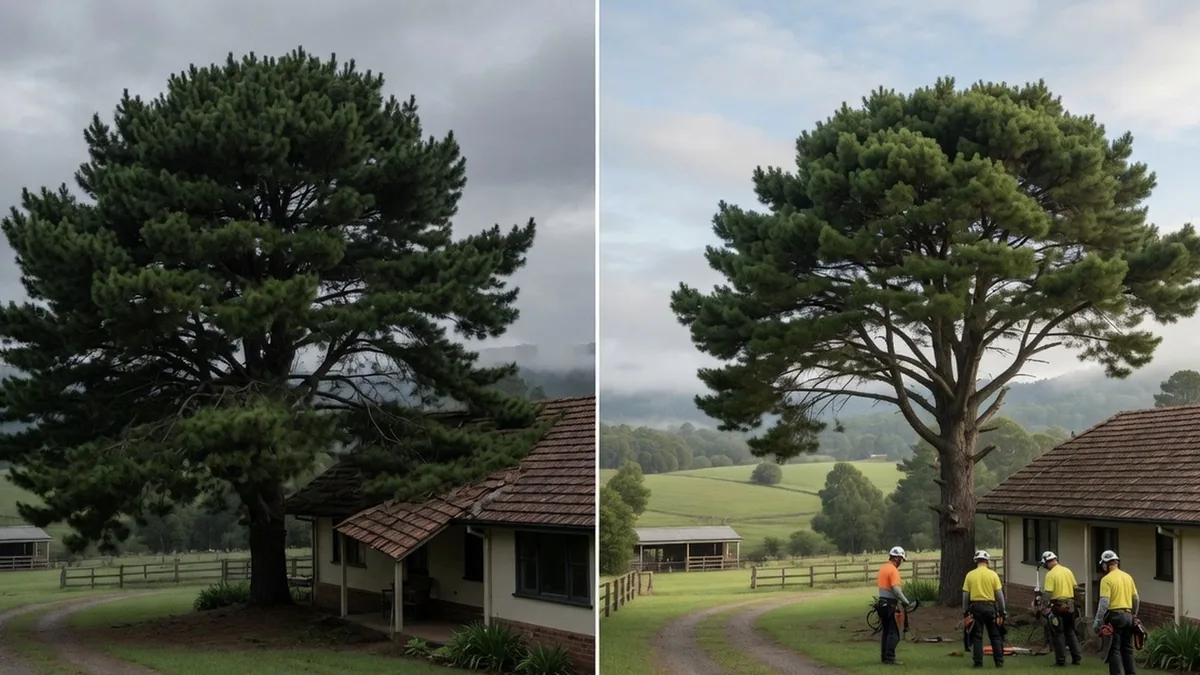
Tree Pruning & Deciduous Care
Seasonal pruning for oaks, elms, liquidambars and other deciduous plantings, timed around the Highlands' frost and dormancy cycle.
Learn more →Advice before the chainsaw. We connect Highlands property owners with local tree crews who understand frost, dormancy and old gardens.
Drive from Corbett Gardens in Bowral up over Mount Gibraltar and down into Mittagong, and you pass through a hundred and fifty years of deliberate planting: avenues of oak and elm, liquidambars that turn the streets red in April, conifer windbreaks on the rural blocks, and old claret ash standing over Federation gardens. Push south through Moss Vale, Sutton Forest and Exeter and the gardens get bigger. Turn east and the country changes completely — the basalt paddocks around Robertson, then the escarpment edge at Fitzroy Falls and the sandstone gorges of Morton National Park behind Bundanoon.
Southern Highlands Tree Services connects property owners across the Wingecarribee with local tree crews — for the considered, seasonal care that established gardens need, and for the harder jobs when a tree can no longer be kept.
This is not Sydney weather with a jumper on. Bowral sits around 680 metres and has an oceanic climate with cold winters; frost is common through winter and can turn up outside it, and while snow is rare the Highlands has recorded falls of more than 15 centimetres (Bowral, Wikipedia). That climate is exactly why the region grows deciduous trees so well — and it also sets the rules for working on them.
Timing is most of the craft up here. Roughly how the calendar runs:
Winter (June–August). The dormant window. Structural pruning of oaks, elms, liquidambars and claret ash, when the framework is visible and there are no leaves in the way. Formative work on young trees. Planting.
Early spring (September–October). Watch for elm leaf beetle as elms come into leaf — the beetle reached the Highlands after being found in nearby Goulburn in 2013, and Council has run a stem-injection program on street elms around the Bowral CBD (Southern Highland News). Hedges get their first cut as growth starts.
Summer (December–February). Light hedge and topiary maintenance, deadwood inspections while the canopy is full and thin spots are obvious, and reduction work on species that respond better to summer cuts than winter ones.
Autumn (March–May). The best time to look honestly at a mature tree: colour change exposes dieback, and a limb that colours early or not at all is telling you something. Also the season to book anything you want done before winter fills up.
Any time. Hanging limbs, split forks, storm damage and anything over a roof or a driveway. Those do not wait for a season.
Do not assume the tree in your own garden is yours to remove. Wingecarribee Shire Council administers private tree and vegetation work through its Development Control Plan together with the State Environmental Planning Policy (Vegetation in Non-Rural Areas) 2017. Two pathways exist for non-rural land: a Vegetation Clearing Permit (Council's guidance describes it as limited to ten trees) and a Tree Removal – Request for Exemption. Applications on rural-zoned land are generally referred to Local Land Services rather than Council (Wingecarribee Shire Council).
Council's guidance also indicates that minor tree works — general maintenance pruning carried out with regard to AS 4373 — may not require approval, while removal, heavier pruning and anything touching a heritage conservation area, a heritage-listed property, biodiversity-mapped land or an endangered ecological community will need to be checked. Fees for a tree management approval are listed at $125 for the first tree and $62 for each additional tree for 2025–26 (ABLIS).
Street trees and nature-strip trees are Council's, not yours. Report a problem tree in the road reserve to Council rather than touching it.
Rules, mapping and fees change, and the answer depends on your specific address and zoning. Use Council's Tree and Vegetation Clearing Map and confirm with Wingecarribee Shire Council on 02 4868 0888 (Civic Centre, 68 Elizabeth Street, Moss Vale) before booking anything. We would rather you spent a phone call than a penalty.
Ask for the insurance, in writing. Any crew working over a slate roof, a glasshouse, a boundary hedge or an Endeavour Energy service line should be able to produce a current certificate of currency for public liability. Check the dates and check the insured name matches the business quoting. Verify it — do not accept "yes, we're insured" over the phone.
Ask what standard they prune to. AS 4373 (Pruning of Amenity Trees) is the benchmark. If the answer is a blank, that is your answer.
Ask what they would do instead of removing it. A crew that reaches for removal first on a hundred-year-old oak is solving their problem, not yours.
Ask where the debris goes. Chipped on site as mulch, or carted out. Both are fine; being left with a heap of liquidambar on the front lawn is not.
Right across the Wingecarribee: Bowral, Burradoo, Mittagong, Welby, Moss Vale, Berrima, New Berrima, Sutton Forest, Exeter, Bundanoon, Penrose, Colo Vale, Hill Top, Kangaloon, Robertson and Fitzroy Falls. Local detail for each on the Towns We Serve page.
Most Highlands tree jobs are better for a conversation first. Call (02) 4214 4160 for a free, no-obligation quote anywhere in the Southern Highlands — including a straight opinion on whether the work needs doing at all, and whether it should be done this season or the next one.
Deep knowledge of frost, dormancy and deciduous care unique to the Southern Highlands.
Considered management of established gardens and mature exotic and native trees.
We ask the crews we work with to carry their own public liability cover — ask to see the certificate before work begins.
A consultative assessment first — removal is always the last recommendation, not the first.
Seasonal pruning for oaks, elms, liquidambars and other deciduous plantings, timed around the Highlands' frost and dormancy cycle.
Learn more →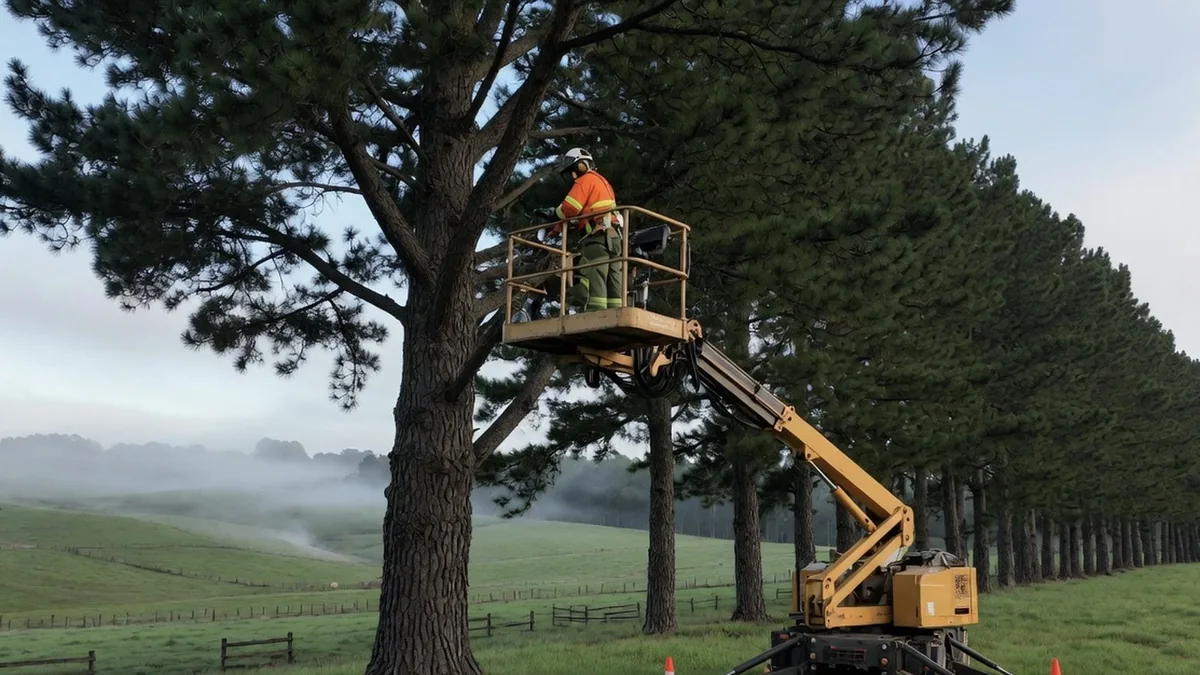
Considered care for established heritage gardens and mature exotic and native trees, protecting long-term structure and value.
Learn more →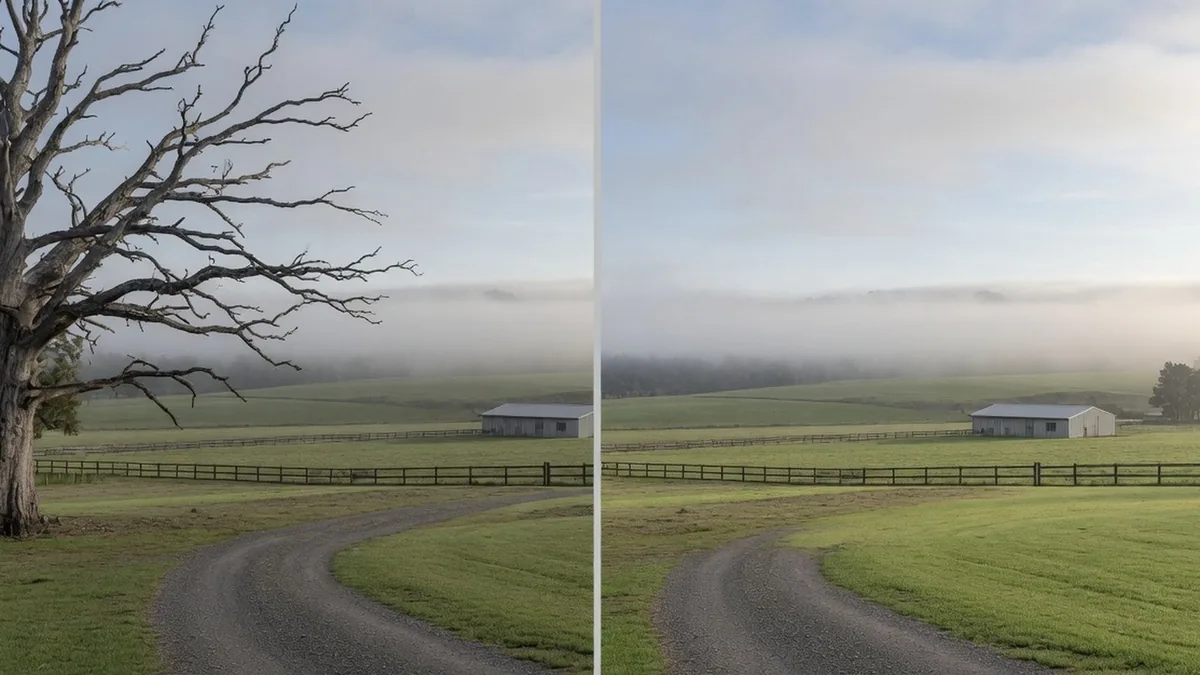
Careful removal when a tree cannot be saved — always the last recommendation here, never the first.
Learn more →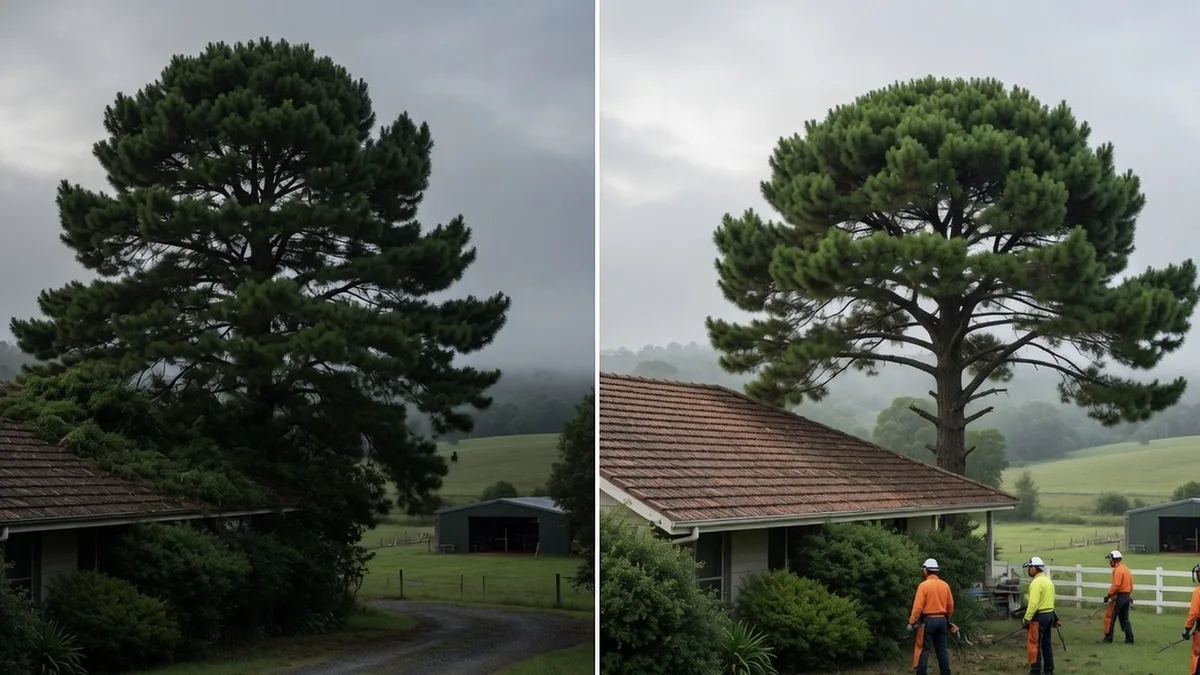
Precision shaping for the clipped hedges and topiary that define the Highlands' cool-climate garden estates.
Learn more →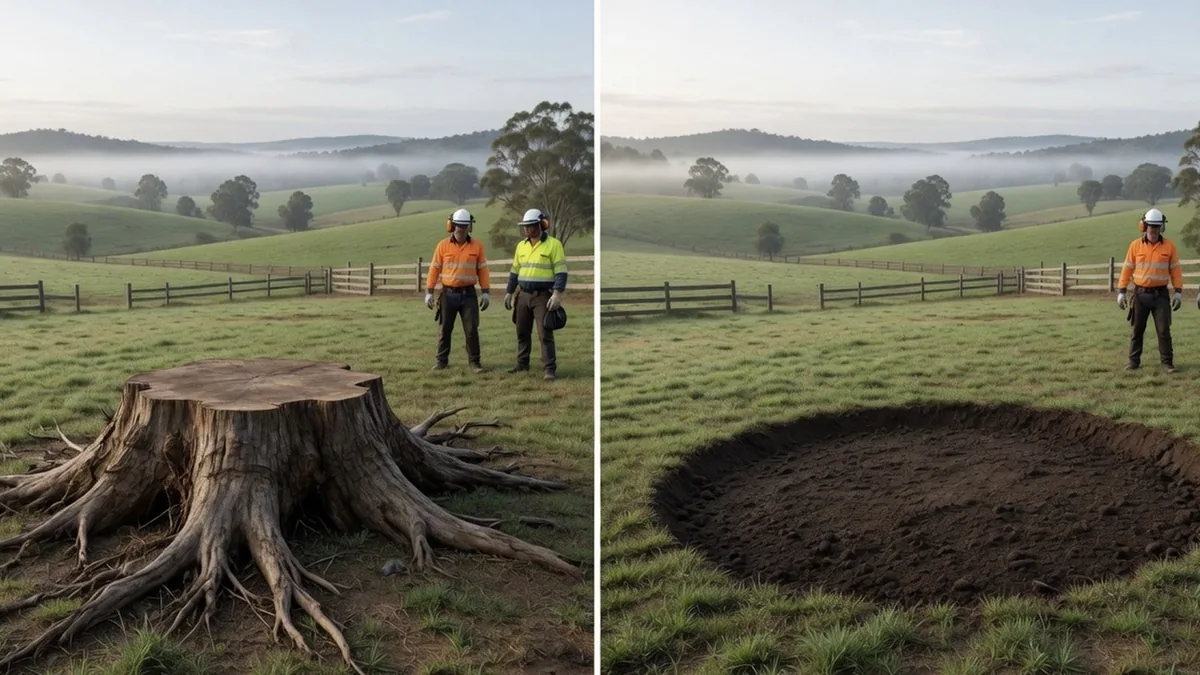
Clean, below-grade stump grinding that leaves garden beds and lawns ready for replanting.
Learn more →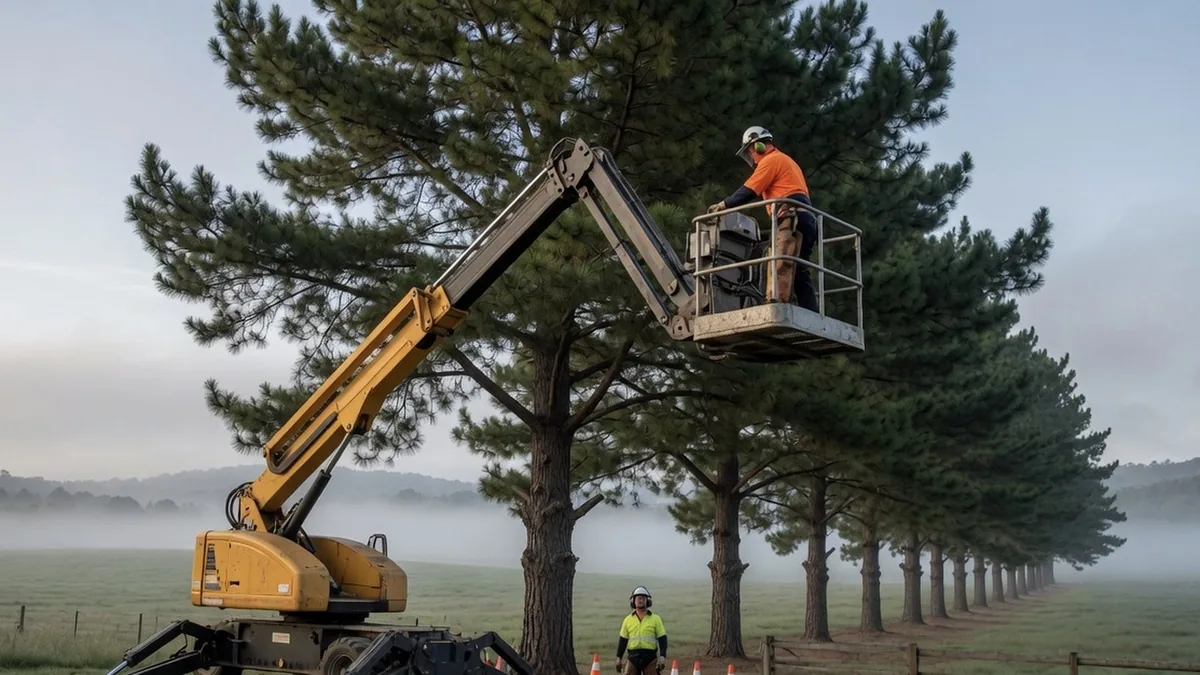
Thinning and shaping of conifer windbreaks and shelterbelts to keep rural and acreage properties protected from Highlands winds.
Learn more →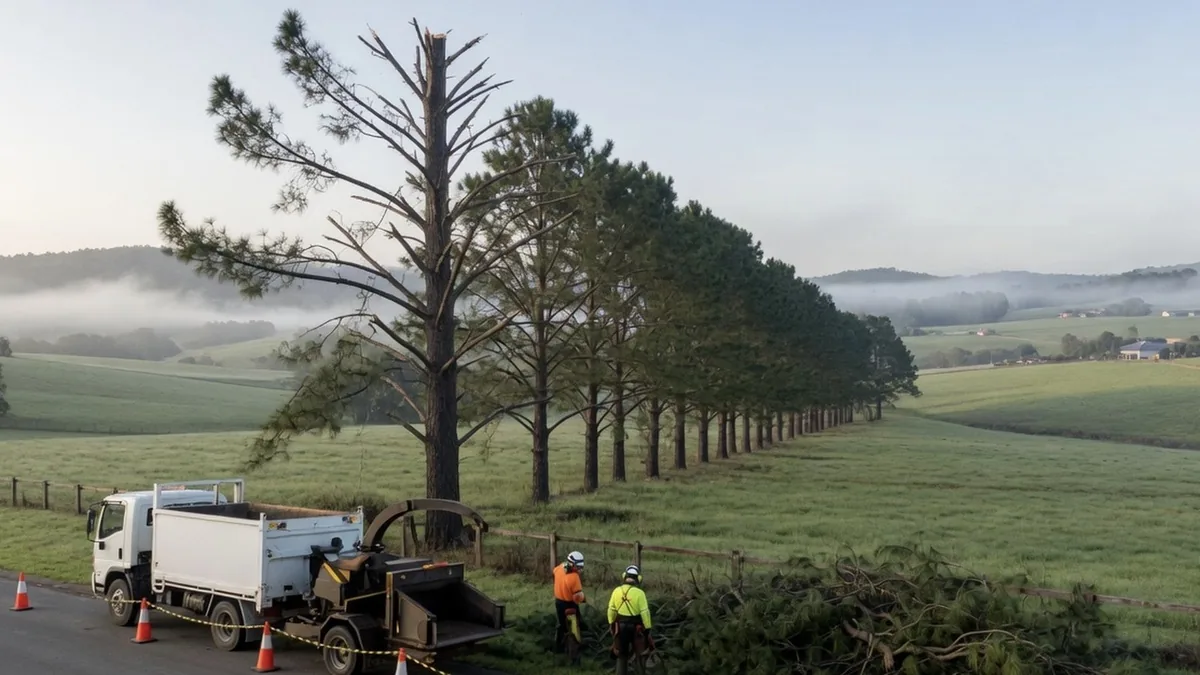
Fast, careful response to storm-damaged and wind-thrown trees across the exposed Southern Highlands plateau.
Learn more →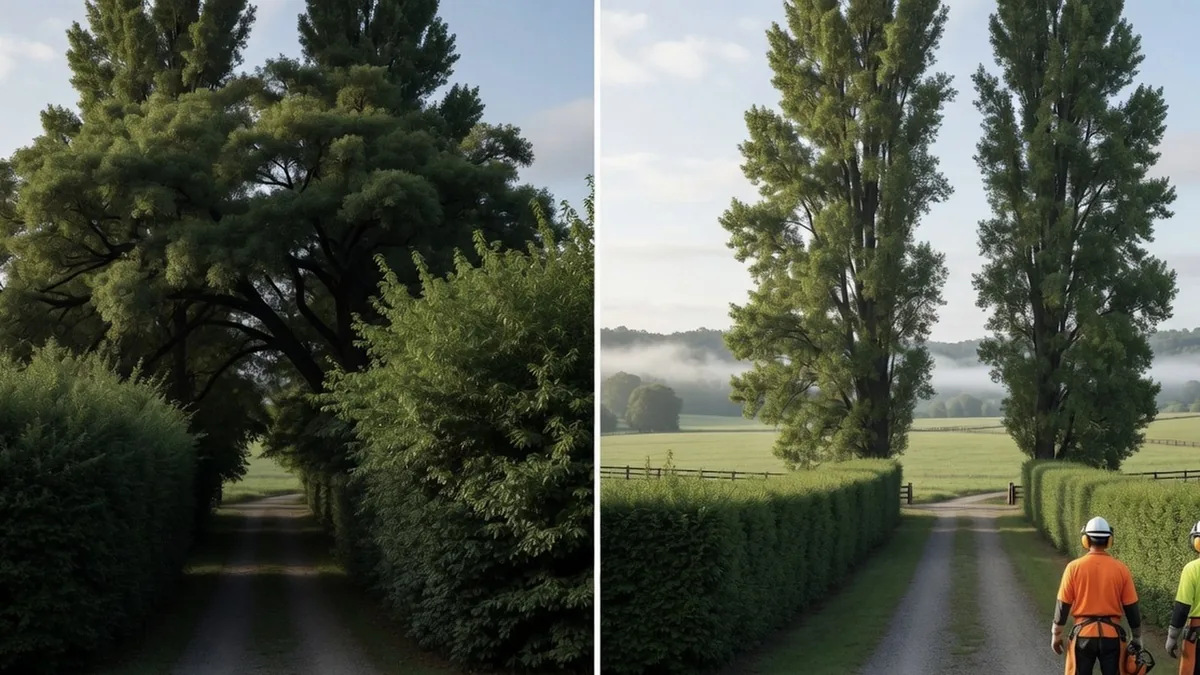
Selective vegetation and tree clearing for rural blocks and building sites, mindful of retained heritage specimens.
Learn more →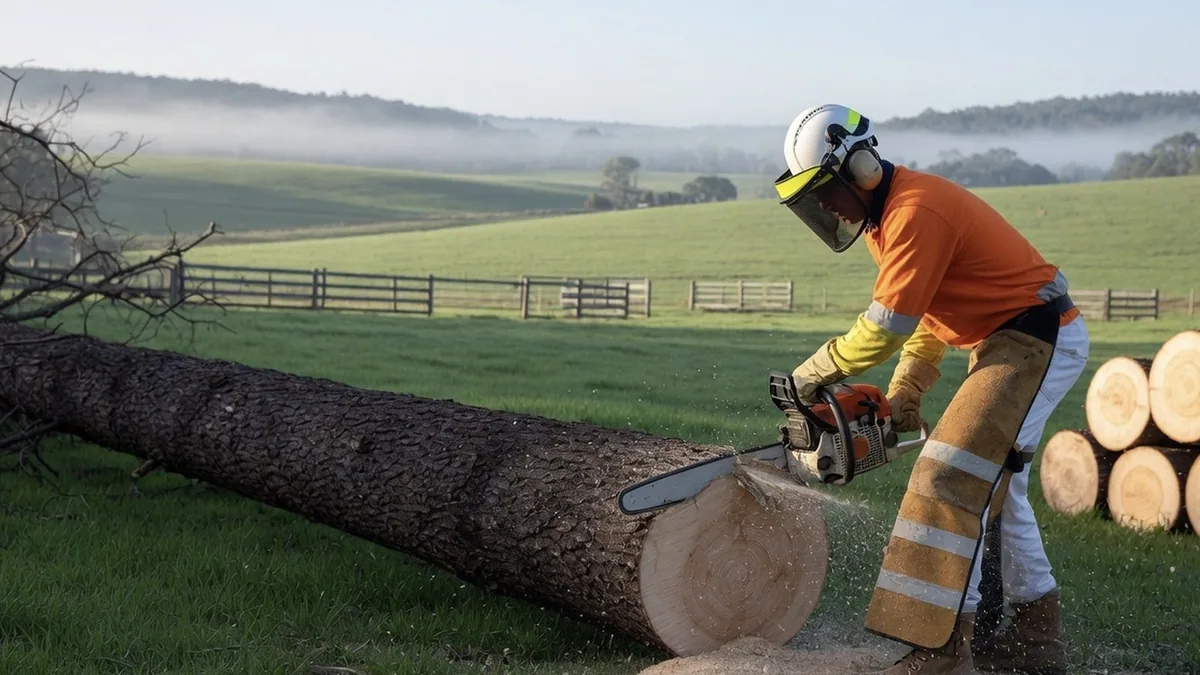
On-site chipping and mulching with full green waste removal, returning nutrients to established cool-climate gardens.
Learn more →Often, yes. Wingecarribee Shire Council manages private tree and vegetation work under its Development Control Plan and the State Environmental Planning Policy (Vegetation in Non-Rural Areas) 2017, and applies extra scrutiny to trees in heritage conservation areas, heritage-listed properties, biodiversity-mapped land and endangered ecological communities. Council's guidance indicates minor maintenance pruning carried out in line with Australian Standard AS 4373 may not require approval, while removal and heavier work generally does. Rural-zoned land is usually referred to Local Land Services instead of Council. Check your address against Council's Tree and Vegetation Clearing Map and confirm with Council on 02 4868 0888 before any cutting starts.
For most oaks, elms, liquidambars and claret ash, the winter dormant window from roughly June through August is ideal — the structure is visible, the tree is not actively growing and wound response is predictable. Some species object to that timing: birches, maples and elms can bleed heavily from late-winter cuts, so those are often better pruned in late summer or early autumn instead. Dead, hanging or storm-damaged limbs are the exception and come out whenever they are found. The crews we work with will tell you if your job should wait a season.
We ask the crews we work with to carry their own current public liability cover and to work to AS 4373 for pruning of amenity trees. That is our expectation of them, not a warranty from us — so verify it yourself rather than take anyone's word for it. Ask for a certificate of currency in writing before work is booked, check the policy is current on the date of your job, and confirm the insured name matches the business quoting you.
Bowral, Mittagong, Moss Vale, Burradoo, Berrima, New Berrima, Sutton Forest, Welby, Colo Vale, Hill Top, Exeter, Bundanoon, Penrose, Robertson, Kangaloon and Fitzroy Falls — effectively the Wingecarribee Shire and the escarpment edge. Town-by-town detail is on our Towns We Serve page. If your address is not listed, call and ask.